Can Tourists Buy Health Coverage in Canada?
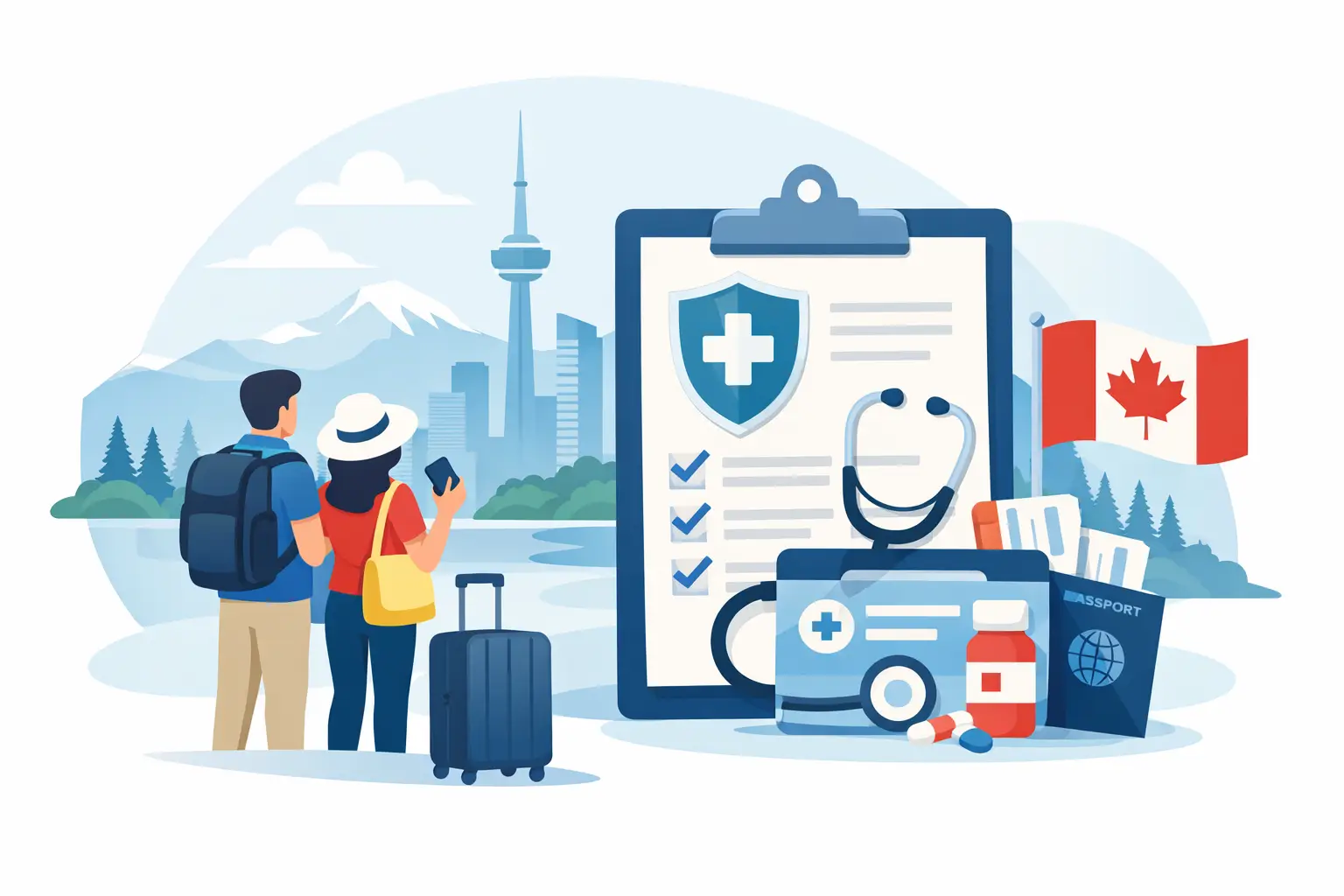
A visit to Canada can become expensive quickly when an unexpected illness or injury leads to an emergency room visit, diagnostic testing, or a hospital stay. So, can tourists buy health coverage? In most cases, yes. Visitors to Canada can purchase visitor medical insurance to help cover eligible emergency medical costs while they are away from home.
For travellers visiting Toronto, the GTA, or anywhere else in Canada, this coverage is often a practical part of trip planning. Provincial health plans are generally intended for eligible residents, not short-term tourists. Without private insurance, a visitor may be responsible for the full cost of medical care.
Can Tourists Buy Health Coverage Before or After Arrival?
Tourists can usually buy health coverage before arriving in Canada, and this is generally the better approach. Purchasing before departure may provide protection from the start of the trip, subject to the policy terms, effective date, and any waiting period. It also gives the traveller time to review the plan rather than making a rushed decision after a health concern develops.
Some insurers offer coverage to visitors who are already in Canada. However, buying after arrival can come with restrictions. A policy may include a waiting period, often for sickness, and it will not cover a medical condition, symptom, injury, or treatment that existed before the policy took effect. If a visitor has already become ill or has sought medical advice, their options may be limited.
The answer also depends on the traveller’s status and insurance eligibility. Tourists, parents and grandparents visiting family, temporary residents, and people awaiting provincial health coverage may all have different needs. A licensed broker can help compare plans based on the traveller’s arrival date, age, health history, length of stay, and destination.
What Visitor Medical Insurance Can Cover
Visitor medical insurance is designed primarily for unexpected emergency health situations. While every policy is different, a suitable plan may help with eligible costs for emergency hospital treatment, physician services, ambulance transportation, diagnostic tests, prescription medication related to an emergency, and emergency dental treatment for accidental injury or sudden pain.
Many plans also include travel assistance services. If a serious emergency occurs, the assistance provider may help locate appropriate care, coordinate hospital arrangements, or arrange medically necessary transportation when approved under the policy. This support can be especially valuable for visitors unfamiliar with the Canadian health-care system.
Coverage limits matter. A plan with a lower premium may have a lower maximum benefit, higher deductible, narrower benefits, or more restrictive wording. For a short, low-risk visit, one level of protection may be appropriate. For an older visitor, a long stay, or a traveller with known health concerns, a higher limit and carefully selected benefits can provide more meaningful financial protection.
It is also worth checking whether the policy pays medical providers directly where possible or requires the traveller to pay first and submit a claim. Hospitals may request a deposit or proof of insurance, so carrying policy details and the emergency assistance number is a sensible precaution.
What Tourist Health Coverage Usually Does Not Cover
Visitor insurance is valuable, but it is not a replacement for routine health care or a guarantee that every medical expense will be paid. Policies commonly exclude routine checkups, elective treatment, ongoing care for stable conditions, regular prescriptions, and expenses that are not medically necessary.
Pre-existing medical conditions deserve close attention. A pre-existing condition is generally a health condition that existed before the coverage began, but each insurer defines it differently. Some plans may cover a condition if it has been stable for a stated period before the trip. Others may exclude it entirely, or offer limited coverage through a more expensive plan.
“Stable” has a specific meaning in insurance. It may relate to changes in medication, dosage, symptoms, treatment, test results, medical consultations, or specialist referrals. A traveller who feels well may still fail the stability requirement if their medication was adjusted recently. This is why accurate disclosure and a careful reading of the medical questionnaire are essential.
Other common exclusions can include incidents related to alcohol or drug use, high-risk sports, treatment outside the policy territory, or travel undertaken against a physician’s advice. Pregnancy-related expenses can also be restricted, particularly later in pregnancy. The exact policy wording controls, so assumptions can be costly.
How Much Coverage Should a Tourist Buy?
There is no single coverage amount that suits every visitor. Medical costs can vary significantly depending on the type of emergency, the location of treatment, and the length of hospitalization. A broken bone, appendicitis, cardiac event, or emergency surgery can create bills far beyond what many families expect from a holiday or family visit.
When comparing options, start with the duration of the trip and the traveller’s personal health profile. Consider the medical maximum, deductible, emergency benefits, coverage for pre-existing conditions, and whether the policy can be extended if travel plans change. A deductible can reduce the premium, but it means the insured person pays that amount toward an eligible claim.
For parents and grandparents visiting family in Canada, the decision often involves more than finding the lowest rate. The policy should reflect the visitor’s age, medical history, intended length of stay, and the family’s comfort with potential out-of-pocket costs. A lower-priced policy can be a poor value if it excludes the health issue most likely to lead to a claim.
Visitors applying for a Super Visa have separate insurance requirements. They generally need private medical insurance from a Canadian insurance company that meets the required minimum coverage amount and policy duration. Because immigration requirements and policy rules can change, applicants should confirm the current requirements before purchasing coverage.
Choosing a Policy Without Guesswork
The best time to compare visitor medical coverage is before travel is booked or before the visitor leaves home. Waiting until arrival may reduce available choices and can create gaps in protection. Start with accurate information: the traveller’s age, travel dates, Canadian address while visiting, home country, and details of any medical conditions or medications.
A careful comparison should go beyond the premium. Ask how a pre-existing condition is treated, whether a stability period applies, what deductible choices are available, and how the insurer handles an emergency claim. If the traveller will make side trips outside Canada, confirm whether the plan allows travel outside the country and under what conditions.
For visitors staying with family in the GTA, it is also helpful to discuss who will assist if a claim happens. The traveller should know where to find their policy certificate, how to call the emergency assistance line, and why they should contact the insurer as soon as reasonably possible during an emergency. Delays in notification may affect how the claim is handled.
An independent broker can make this process more straightforward by comparing coverage from multiple insurers and explaining differences in plain language. Multi Risk Insurance Brokers & Financial Group Inc. can help visitors and host families review available options with attention to cost, eligibility, and the policy terms that matter most.
A Few Situations That Need Extra Care
A visitor who is healthy and staying for two weeks will usually have a simpler decision than someone visiting for six months with diabetes, heart disease, or recent medication changes. The latter traveller may still be able to obtain coverage, but they should not select a plan based on price alone. Full and accurate answers to health questions protect both the traveller and the validity of a future claim.
Extensions also require planning. If a visitor decides to stay longer, they should request an extension before the existing policy expires whenever possible. An expired policy may not be easy to replace without a waiting period or new eligibility review. Similarly, a visitor who leaves Canada and later returns should confirm whether their original coverage remains valid.
The goal is not to predict every possible emergency. It is to arrange realistic protection before a manageable health issue turns into a significant financial burden. A clear conversation with a licensed insurance professional can give visitors and their Canadian hosts the confidence to focus on the visit rather than the what-ifs.