Sewer Backup Coverage: What GTA Homes Need
A finished basement can change in a single heavy rainfall. Water that enters through a backed-up sewer line can damage flooring, furniture, appliances, drywall, and the items families keep downstairs because there is nowhere else to put them. Sewer backup coverage is designed to address this specific risk, but it is often optional and the details matter as much as the limit on the policy.
For homeowners across Toronto and the GTA, water damage is not one simple insurance category. A policy may treat water entering from an overflowing sewer, water rising from outside, a broken pipe, and a leaking roof very differently. Knowing where sewer backup coverage fits can help you avoid a difficult surprise after a loss.
What sewer backup coverage is
Sewer backup coverage is generally an optional endorsement added to a home insurance policy. It may help pay for sudden and accidental damage caused when water or sewage backs up through a sewer, drain, sump, septic system, or related connection, subject to the wording, deductible, and limit selected.
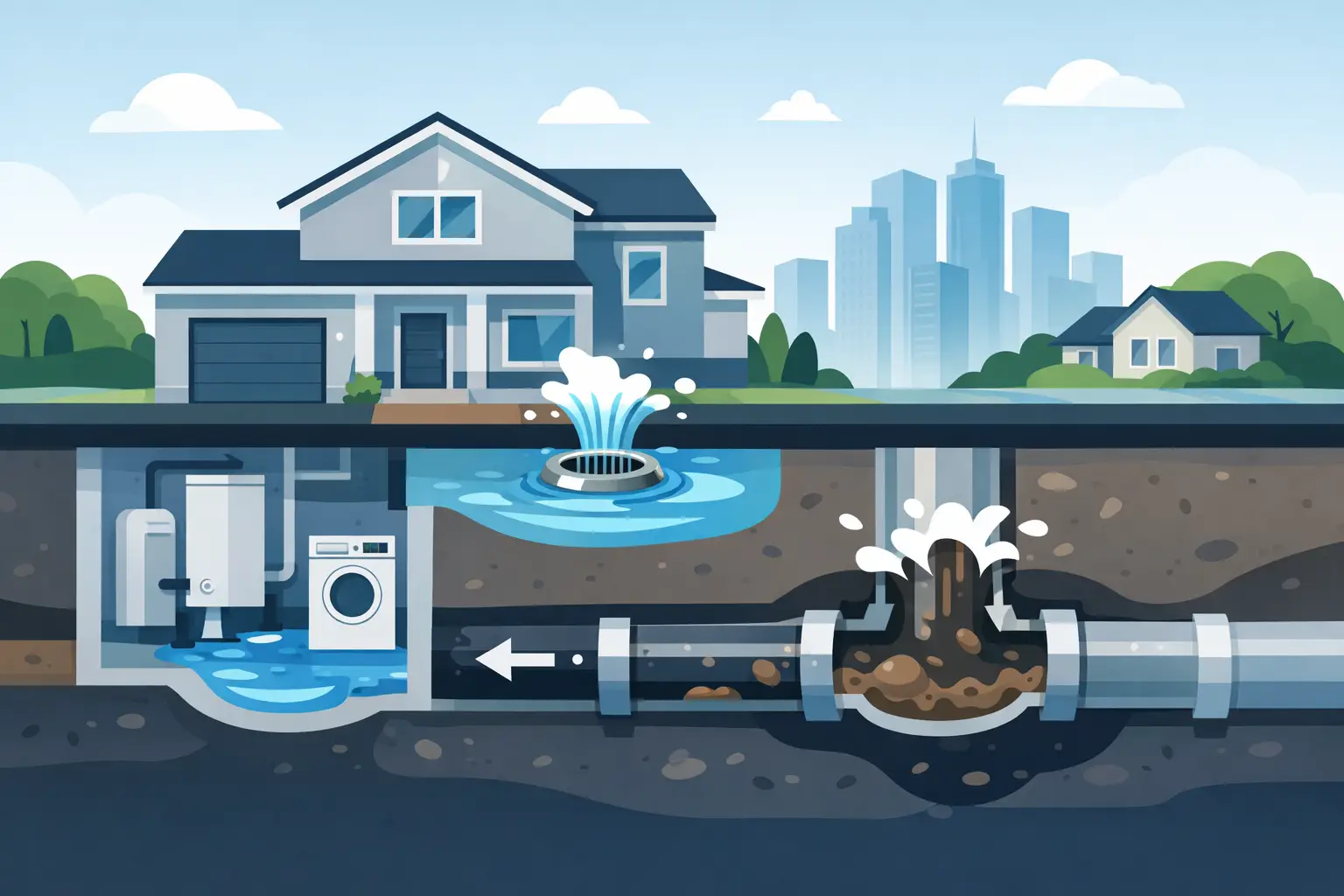
A backup can happen when a municipal sewer system becomes overwhelmed during intense rainfall, when tree roots obstruct a line, when a blockage develops, or when a sump pump fails during a storm. In a dense urban area, one property’s drainage problem can also affect another. The cause is not always obvious when water first appears on a basement floor.
Without the appropriate endorsement, standard home insurance may not cover damage from a sewer backup. That distinction is especially important for households with finished basements, basement rental suites, home offices, exercise rooms, or valuable stored belongings.
What may be covered after a backup
Coverage depends on your insurer and policy, but a sewer backup endorsement can often respond to direct physical damage to the building and personal property caused by a covered event. That may include removing contaminated materials, repairing damaged walls and flooring, replacing certain contents, and addressing reasonable cleanup costs.
If a basement is finished, the rebuilding cost can be far higher than many homeowners expect. Laminate or hardwood flooring, custom cabinetry, electronics, upholstered furniture, insulation, and drywall may all need to be removed after contaminated water enters the space. A modest-looking loss can become a significant claim quickly.
Some policies may also include limited additional living expense coverage when damage makes the home temporarily unfit to live in. However, this is not automatic in every situation. Review how the endorsement works alongside the policy’s broader property and additional living expense sections.
Limits, deductibles, and sub-limits matter
Choosing sewer backup coverage is not only about adding the endorsement. The amount of insurance should reflect the likely cost to restore your basement and replace its contents, not simply the lowest available option. A $10,000 limit may sound substantial until cleanup, demolition, repairs, and replacement items are added together.
The deductible also deserves attention. A higher deductible can lower the premium, but it means more out-of-pocket cost when a claim occurs. For some households, a separate water damage deductible may apply. Ask for a clear explanation of the deductible that would apply to a sewer backup claim.
There may also be conditions or sub-limits for particular property, such as items kept in storage areas. A licensed broker can compare available options and help identify whether the selected limit fits the actual value at risk.
Sewer backup versus overland water coverage
These coverages are often discussed together, but they are not interchangeable. Sewer backup coverage generally addresses water that enters through a sewer, drain, septic system, or sump-related system. Overland water coverage generally addresses water that enters a home at ground level after heavy rain, flooding, spring runoff, or overflowing bodies of water.
A severe storm can create both risks at once. Water may pool outside and enter through a door, window, or foundation opening while the sewer system also backs up. Depending on the path the water took, one endorsement may not respond where the other could.
This is why a quick statement such as “I have water damage coverage” is not enough. Homeowners should ask which water risks are included, which endorsements are optional, and what exclusions apply. The answer can differ between insurers and between policy packages.
Who should consider sewer backup coverage?
Most homeowners in the GTA should at least review it, but the need is particularly strong for people whose basements contain finished living space or valuable belongings. A basement suite, home theatre, office, children’s playroom, laundry room, or storage area increases the potential cost of a loss.
Condominium owners should also check their own unit policy. The condo corporation’s insurance may cover portions of the building, but it will not necessarily cover improvements inside your unit, personal belongings, or a deductible charged back to an owner after a water loss. Unit owners can need sewer backup protection even when they do not live at ground level, depending on the building and policy wording.
Tenants may not be responsible for repairing the building itself, but their furniture, clothing, electronics, and other possessions can still be damaged. Tenant insurance can provide personal property protection, and water-related endorsements should be reviewed rather than assumed.
Landlords should consider both the physical condition of the rental property and the potential interruption to rental income after a serious loss. A rental unit in the basement has a different exposure than an unfinished basement used only for storage.
Steps that can reduce the risk
Insurance is there to help after an unexpected event, but prevention remains worthwhile. Homeowners should keep eavestroughs and downspouts clear, direct water away from the foundation, and avoid pouring grease, wipes, or other blockages into drains. A plumber can assess older drain systems and identify concerns such as tree root intrusion or deteriorating pipes.
If your home has a sump pump, test it regularly and consider a battery backup where appropriate. During a power outage, the primary pump may not operate when it is needed most. Some insurers may also offer eligibility requirements, discounts, or recommendations related to backwater valves, sump pumps, or maintenance. Always confirm the specific requirements before relying on a protective device for coverage purposes.
Keep valuable items off the basement floor where practical. Use shelving or storage containers, and maintain a current inventory with photographs or receipts for higher-value possessions. These small measures cannot prevent every claim, but they can reduce damage and make the claims process easier.
Questions to ask before adding coverage
A useful insurance conversation should go beyond asking for the cheapest premium. Consider asking whether sewer backup is included or optional, what limit is available, what deductible applies, and whether overland water coverage should be added at the same time. You should also ask whether the policy has special conditions related to sump pumps, backwater valves, vacant properties, basement suites, or maintenance.
If you have renovated your basement, added a rental unit, purchased expensive equipment, or changed how you use the space, your existing limit may no longer be suitable. Insurance should be reviewed when the property changes, not only at renewal.
An independent broker can compare water damage options from multiple insurers and explain the practical differences in plain language. At Multi Risk Insurance Brokers & Financial Group Inc., the goal is to help clients select coverage that reflects their home, budget, and real exposure rather than relying on a generic policy choice.
If you discover a sewer backup
Act promptly, but do not put yourself at risk. Avoid contact with contaminated water where possible, keep children and pets away from the affected area, and shut off electricity to the area only if it is safe to do so. Contact your insurer or broker to report the loss and obtain direction before disposing of damaged items, except where immediate action is necessary to prevent further damage or protect health.
Take photographs and video of the affected rooms, damaged belongings, and the apparent source of the water if visible. Keep receipts for emergency cleanup and reasonable mitigation expenses. A restoration professional may be needed because sewage-contaminated water can create health concerns that go beyond ordinary water cleanup.
The right time to review sewer backup coverage is before the next major storm, while you can compare options without pressure. A short policy review can give your household clearer expectations and a more confident plan when the weather does not cooperate.